Replacing 5 tool workflow with a single dashboard
UX/UI
SAAS
GenAI
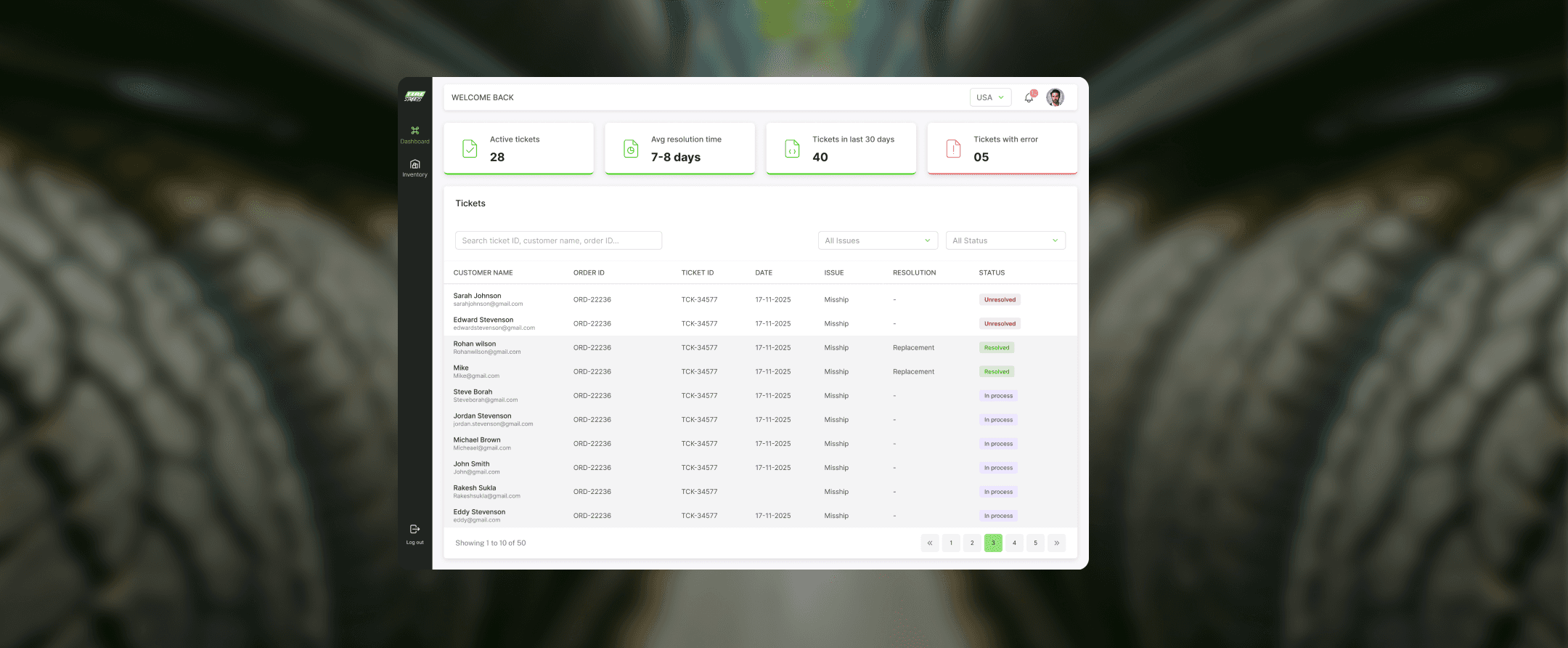
Zafco International is one of the region's largest tyre distributors. Their consumer brand, TireStreets, runs thousands of orders a month, same-day fulfilment, complex fitment queries, customers who can't wait when something goes wrong.
At a glance
High-complexity complaints
Wrong tyre deliveries, lost shipments, mounted-tyre returns, every complaint is different. Every one needs a different resolution.
The Situation
FIVE TOOLS OPEN. ONE TICKET TO RESOLVE
Not because the agents weren't good at their jobs. Because every answer lived in a different place. Ticket in one tool. Order details in another. Stock levels somewhere else. Shipping status: yet another login. The team was doing their jobs and the system's job simultaneously. That's not a people problem. That's a design problem.
The Brief
Build a Single Pane of Glass. One place. Everything the agent needs to resolve any ticket, without opening another tab.
The Challenge
Here's what actually happened when a customer raised a ticket for a wrong delivery.
My intervention
"Machines should work for humans, humans should not adapt to machines." ~ Don Norman, The Design of Everyday Things
The old portal was a blank canvas. Open a ticket. Figure out the journey. Remember the steps. Navigate to the right tools. Hope you didn't skip anything.
Stop making agents adapt to the portals. Make the portal adapt to agents.
How I Solved It
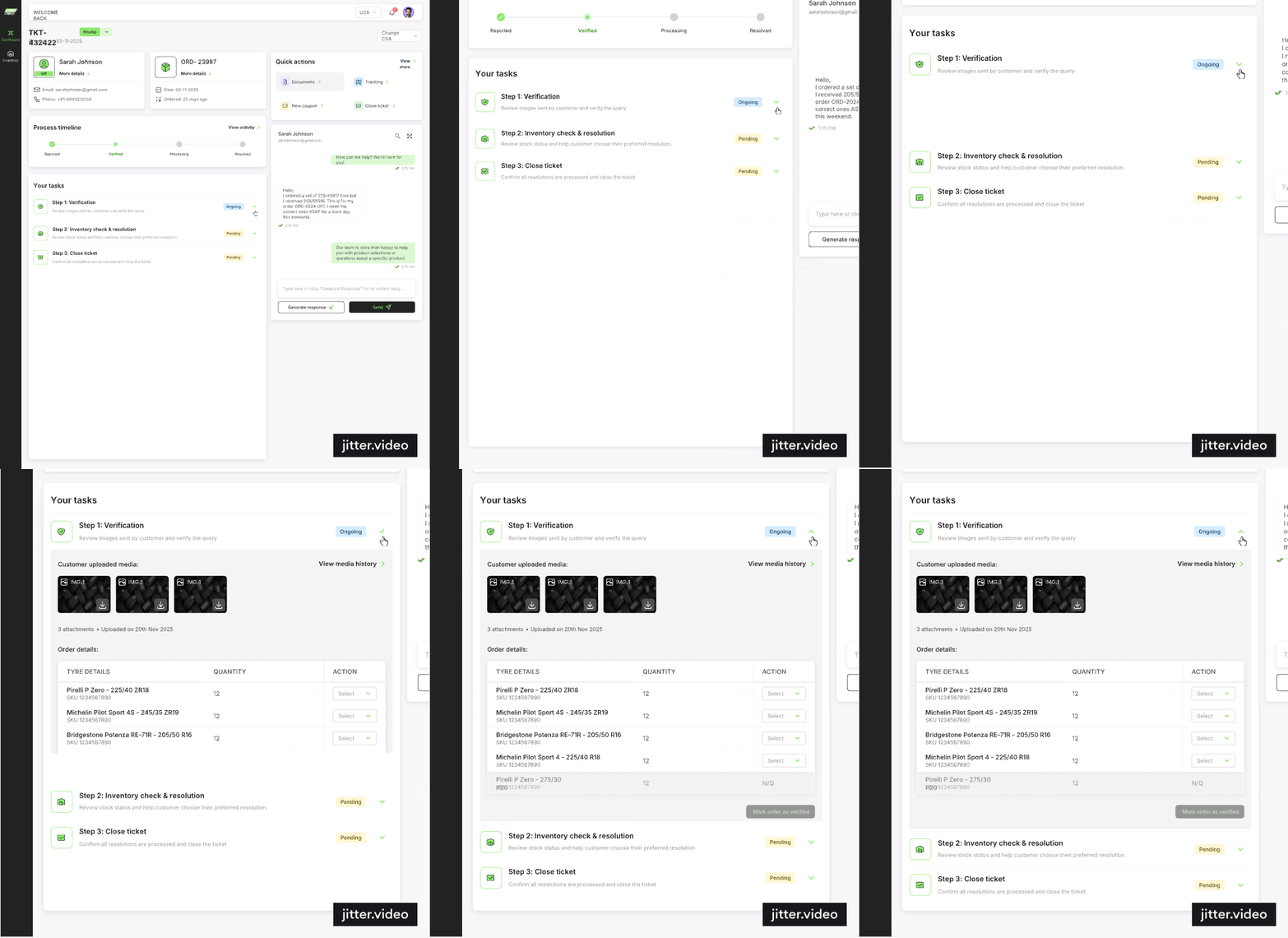
The system tells you what to do next
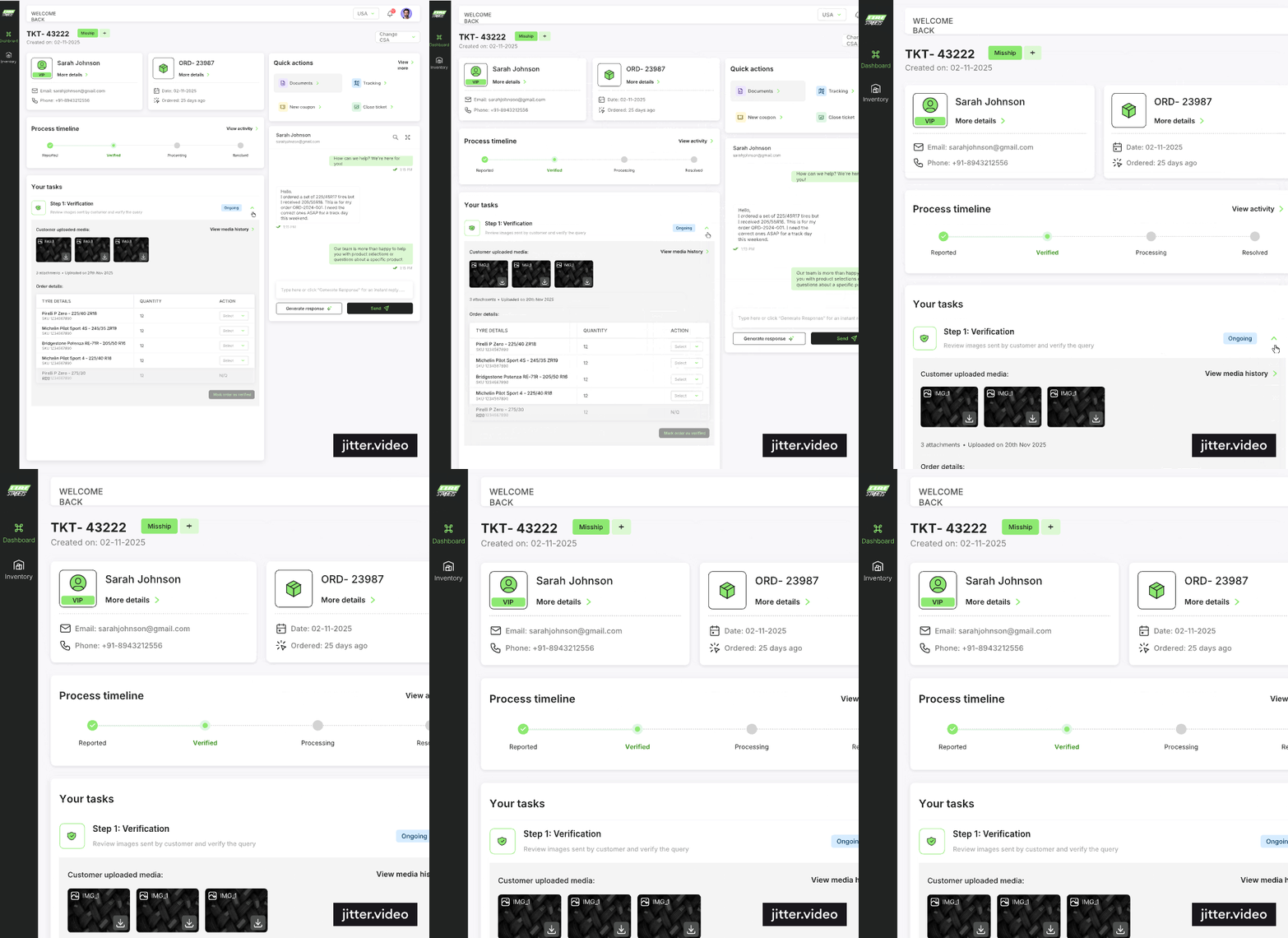
Before, an agent opened a ticket and had to figure out the right steps on their own. Now the portal reads the ticket, lays out the steps in order, and won't let you skip ahead.
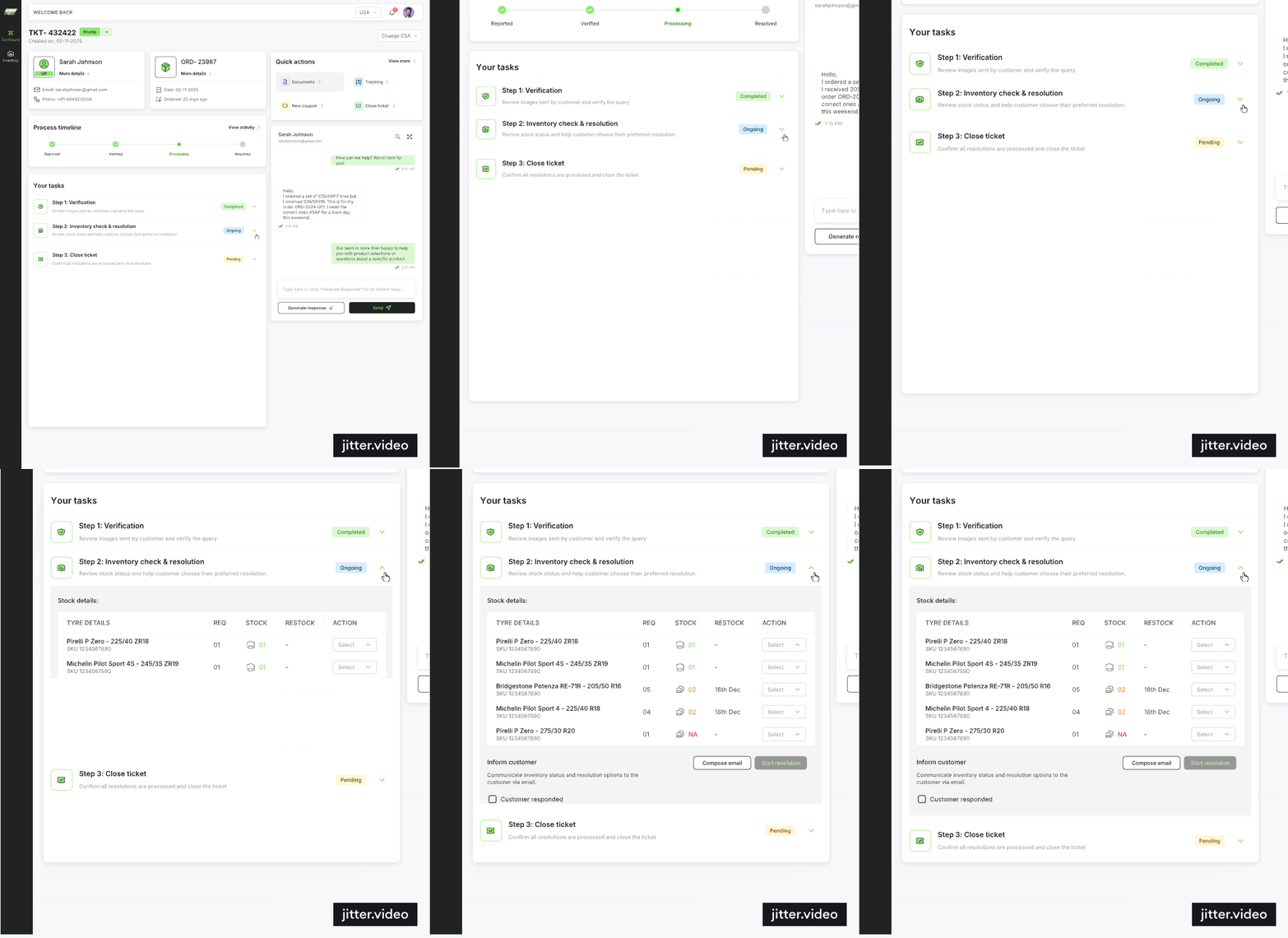
Stock levels visible without leaving the ticket
Agents used to open the inventory system separately, look up each tire SKU, note down the stock count, then come back to the ticket. Now that information appears automatically inside the resolution step, right next to the customer's complaint.
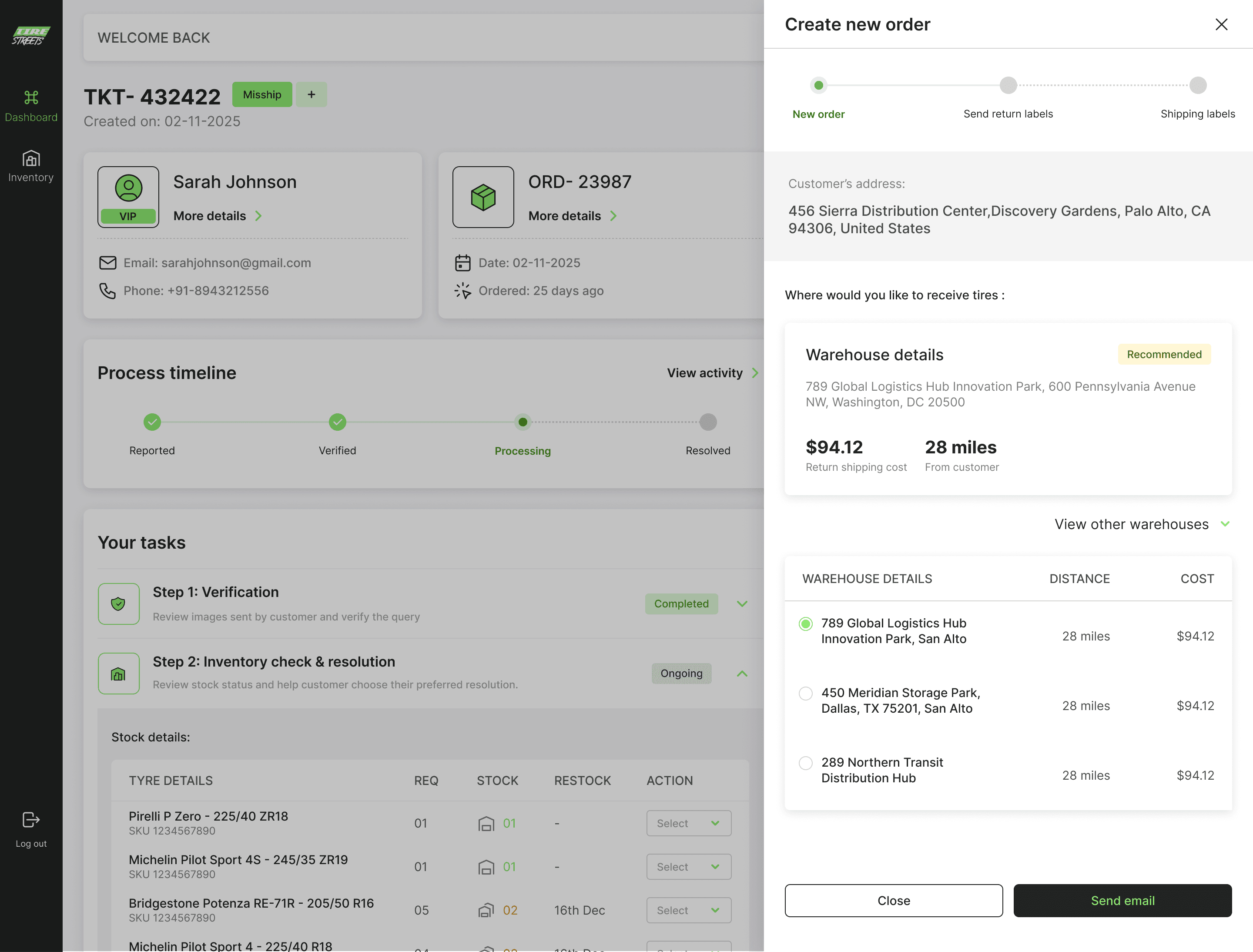
The portal picks the best warehouse; agent just confirms
Now the portal ranks warehouses by cost and distance, pre-selects the best one, and shows the alternatives. One less call agents have to make under pressure.
A countdown tells the agent if the return is still valid, before they ask
TireStreets has a 30-day return policy for mounted tires. Agents used to manually check every time how many days are left. Now a "3 days left" badge is on the ticket the moment it opens. No math required.
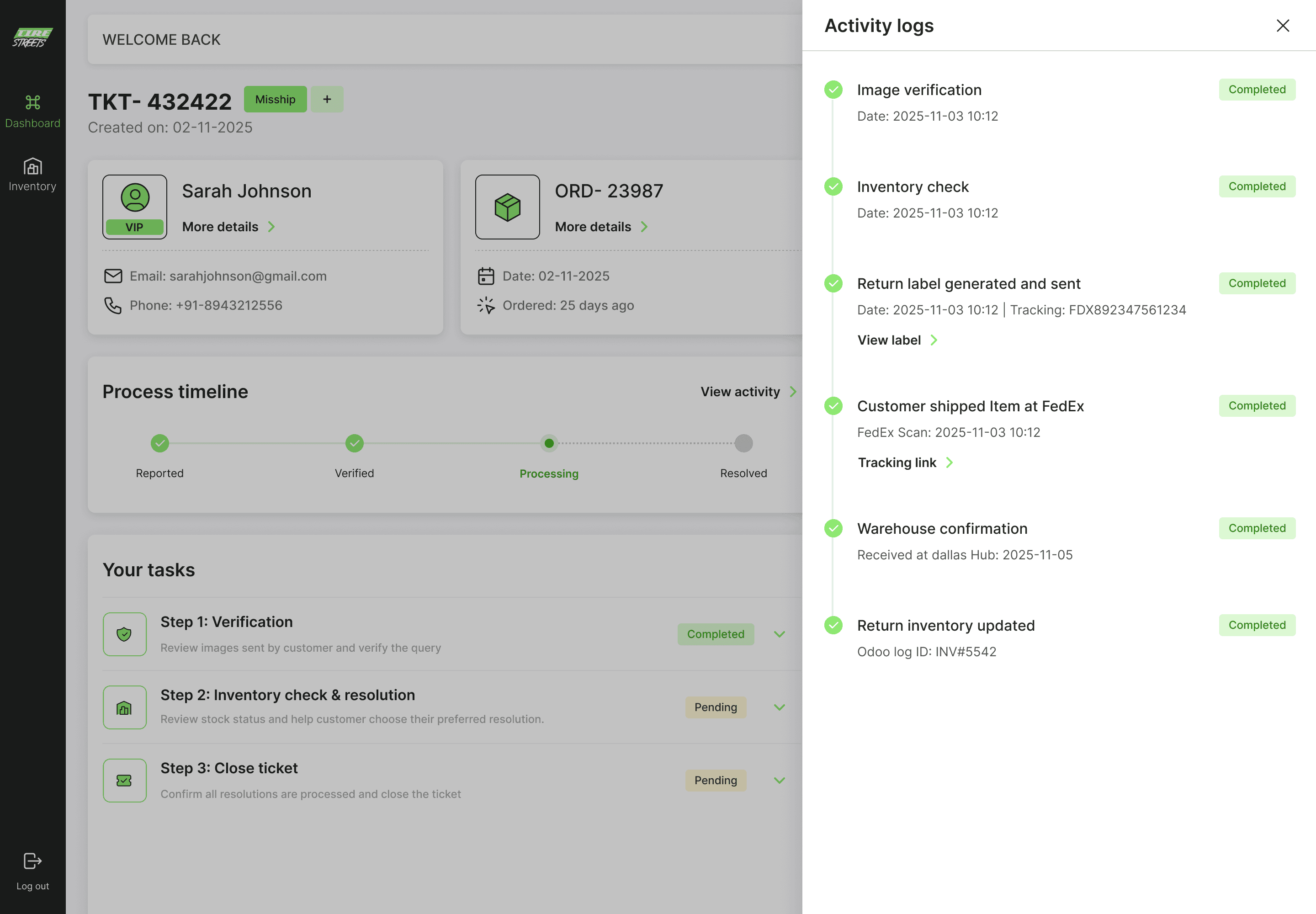
Every action is recorded, so nothing gets lost in handovers
Every step; image checked, label sent, refund processed is logged with a timestamp. When a ticket is assigned to a new agent, they already know what happened.
The AI button lives where replies happen
Earlier the AI had one job; to draft replies. So I kept it as one button, inside the chat. No separate section, no extra steps.
Why It Works
Good tools disappear. Great tools do the thinking.
1
An agent's best day became the default
The portal is designed around how the best agent already worked, methodically, in order, without skipping steps. That behaviour is now built into the interface for everyone.
2
Context that used to take minutes now takes seconds
Order history, stock availability, shipment status, the information that previously required separate logins is now visible the moment a ticket opens. Faster decisions, fewer mistakes.
3
The harder the case, the more the portal helps
Simple tickets were already manageable. This portal was built for the complex ones, wrong tires, lost shipments, partial refunds, return eligibility disputes. The messier the situation, the more the guided structure pays off.
The Results
8
Types of customer issues handled
— wrong deliveries, lost shipments,
returns, and more
5
Tools agents had open
simultaneously. Now they have one.
0
Rounds of revision. The first version
was the right version.
New issue types don't need a new interface. The guided task framework was built to absorb whatever comes next, without rebuilding anything.
The first version landed. No structural redesign. No "let's go back to the drawing board." The client saw it and said yes.
The portal is currently under development. Waiting to track amazing results